
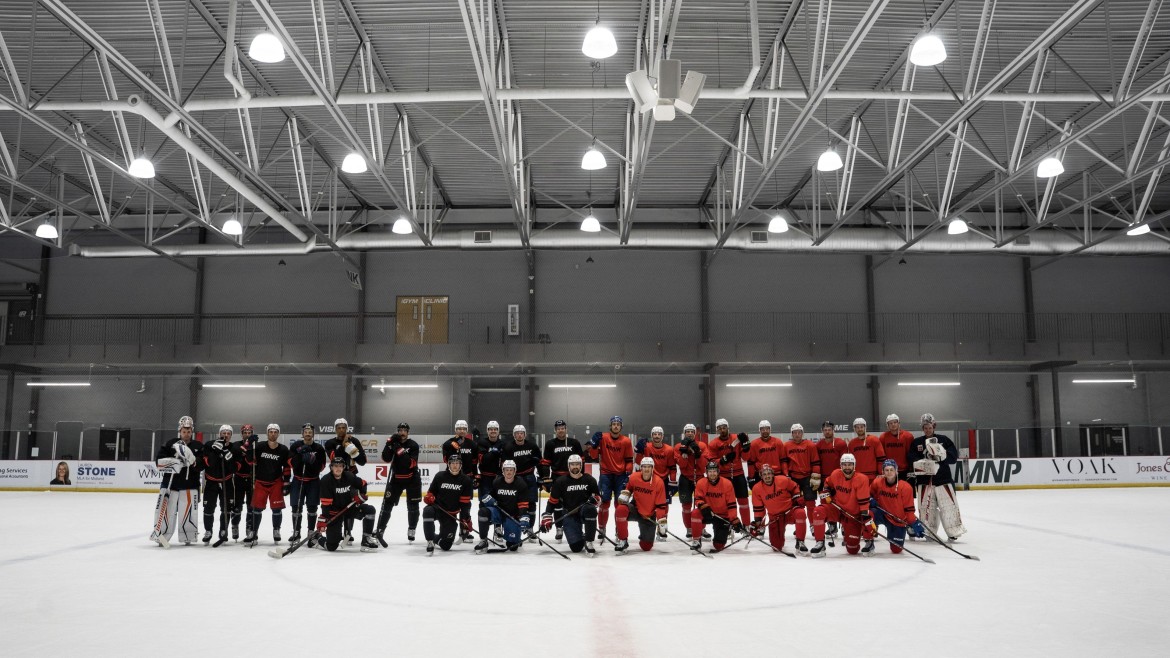
Some call the summer months the offseason. At the RINK, it's the proving grounds of preparation for the year to come. And for a number of local professional hockey players, the RINK is their summer home.
Some may argue the minus-40 degree winter days are Manitoba's best. They're certainly unique to the middle province, but it is during the summer months where Manitoba's true colours shine through. And why wouldn't athletes who were born and raised in and around Winnipeg make their way back to train in the province that gave them their start in hockey?
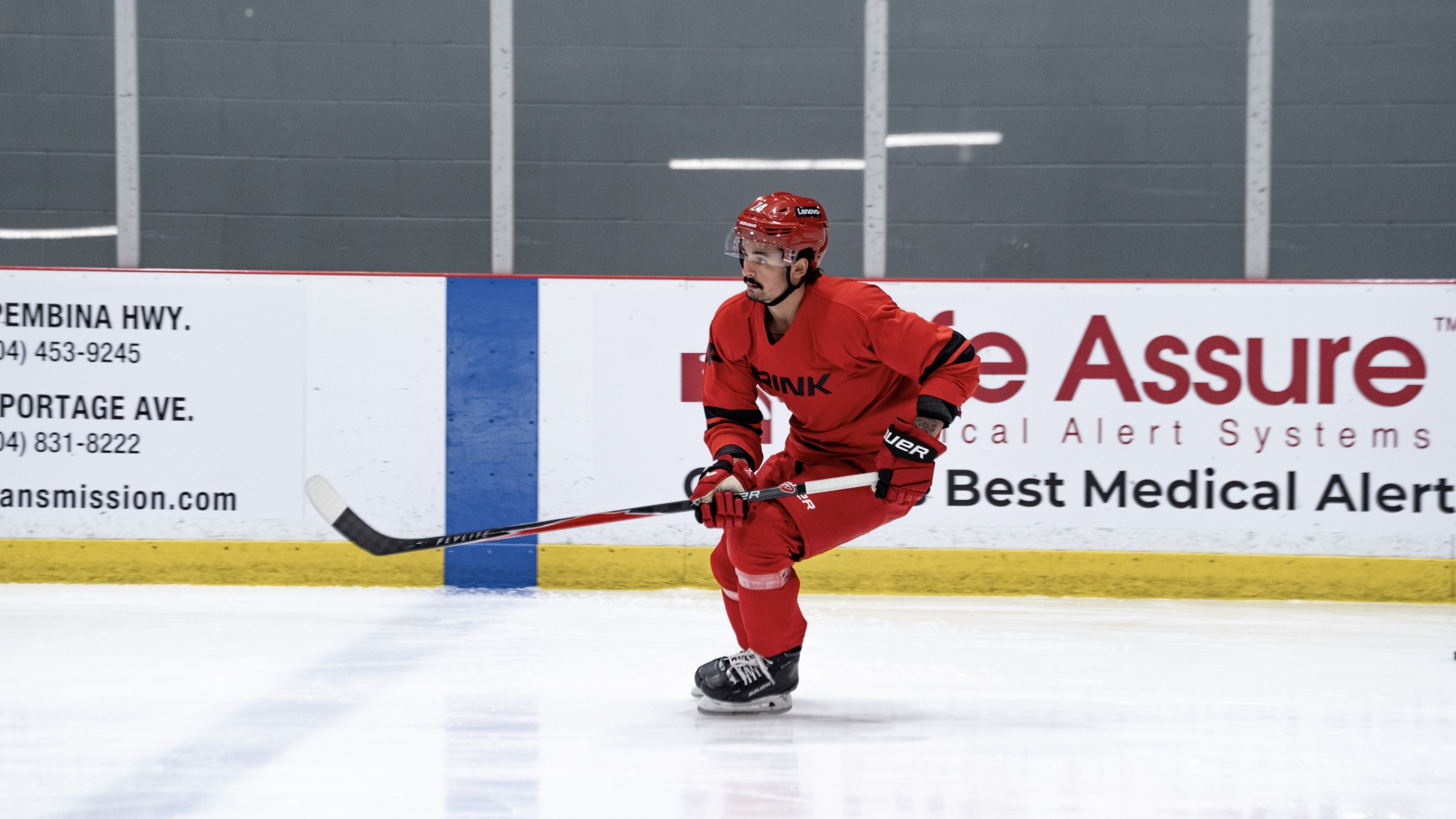
Seth Jarvis | Carolina Hurricanes
Every Pro From the Area Is Skating Here
According to the RINK's Director of On-Ice Development and Programming, Jon Cara, most players do.
"Within our R1 summer program grouping, if you look at the flow of it, we've got basically every pro from the area that is available, skating here," Cara told Game On. "Seth Jarvis, Travis Hamonic, Cody Glass, Brett Howden, Keegan Kolesar, Dylan McIlrath, Jett Woo... the list goes on. And then like goalie-wise, we've got Calvin Pickard, Joel Hofer, Isaac Poulter, Tyler Brennan. They just all keep coming back to our R1 program which we've been running here for the past 13 years."
What Makes R1 Different: Built Around the Athlete, Not the Other Way Around
The RINK's R1 off-season program is designed to cater to the specific needs of athletes at different levels, from U11 to professional. It offers a unique approach by tailoring the program to each athlete's schedule and goals, rather than the other way around — which is what is commonly found at other training camps and facilities.
The R1 program is divided into three phases: off-ice training to build a foundation and address weaknesses, on-ice skill development focusing on skating, passing, shooting, and puck control, and finally, sports-specific training and gameplay preparation. The program aims to provide a structured and progressive perspective on player development, ensuring athletes are prepared for the next level.
Offering a comprehensive approach, including injury rehabilitation, skate sharpening, apparel packages and tactical video analysis, the R1 program's success is measured by the long-term relationships and achievements of its athletes, including Stanley Cup wins and university scholarships.
"It has evolved a lot, but the ability to have a skating program and an office program in one facility that you can come to where trust is developed for your level, and that provides you all the amenities you could want is really what separates our programs from any other," Cara added. "We basically built out a program at a professional level for on and off-ice programming. All the way from U11 up to pro. We look at each athlete's needs based on the demands of their schedules, and we create a program based around that athlete and what exactly that athlete needs."
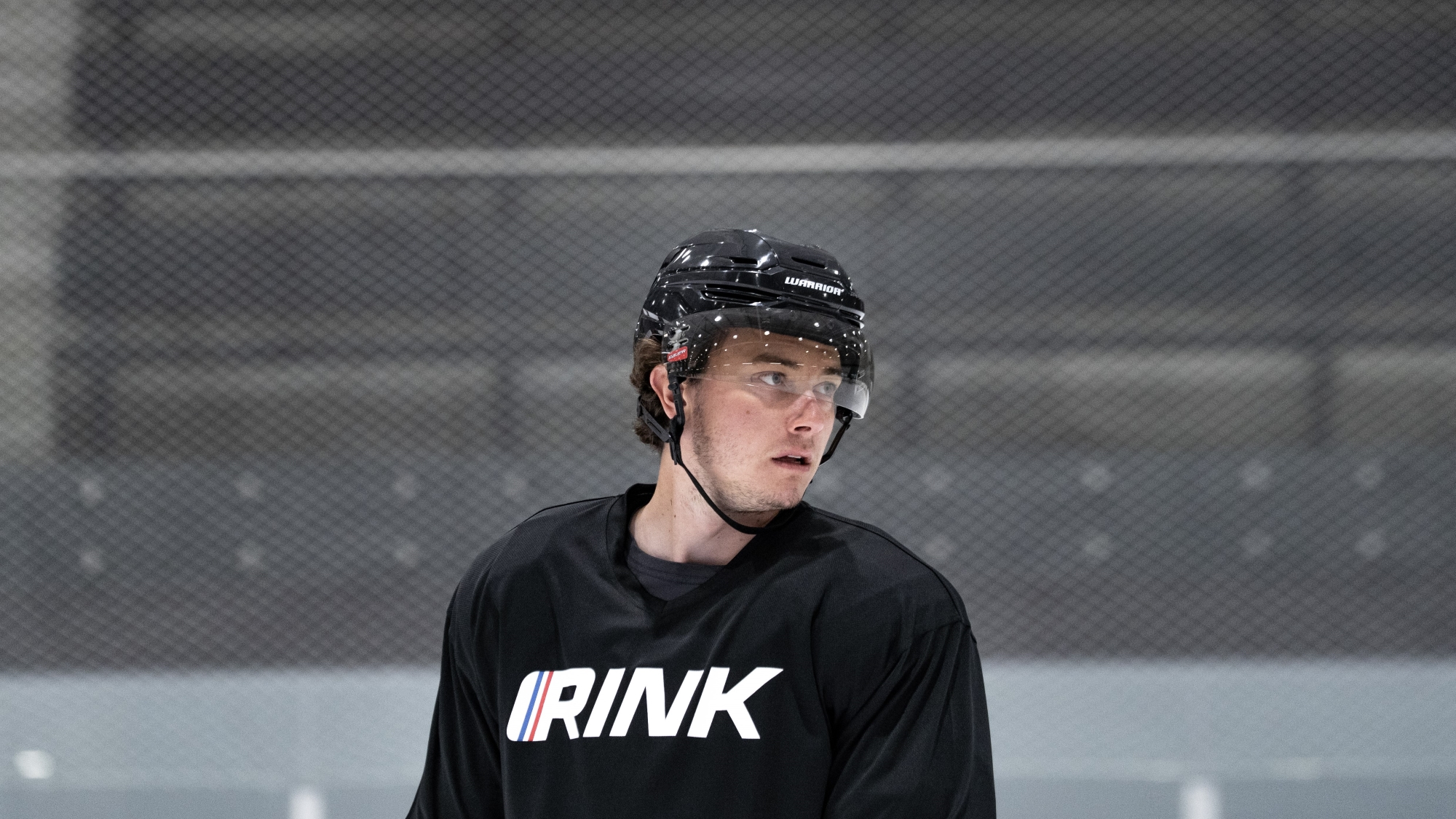
Cody Glass | New Jersey Devils
The Three-Phase Model: From Recovery to Training Camp Ready
For instance, U13 athletes participating in the R1 program would begin skating at the RINK near the start of August, as their tryouts would be the second week of September and they generally need five weeks of training. U18 athletes would begin at the start of summer, while junior and pro athletes report to camp in June.
The model uses three phases for both the on and off-ice training. The first phase focuses on core skills, post-season recovery and off-season prep. Phase 2 is position-specific and application work alongside addressing weaknesses and strength building off-ice. The third phase includes high-tempo prep, gameplay and sport-specific transfer.
"The frequency of their on-ice sessions picks up as time goes on," Cara said. "You're going to see them skating anywhere from four to five times during that last phase. So, when they get to training camp, they've already gone through a little mini training camp here with us. They'll be flying by the time they get there. Each of those phases builds them up at each of our levels all the way from U11 to our pros. They're all seeing each of those phases, but it's tapered differently for when they start and how long their program is."
Organized Chaos: The Energy That Sets RINK Apart
For Matt Asmundson, Manager of Sports Science and Performance at Testify Performance within the RINK Training Centre, the most enjoyable part of his day-to-day work at the facility is the camaraderie he sees — whether it's within the pro group, the amateurs or between the two.
"The energy and the community during the summer here cannot be matched," he said. "The amount of bodies that are coming through here — it's organized chaos, that's for sure. But the energy, paired with the systematic and individualized programming — that's a hard thing to match anywhere else."
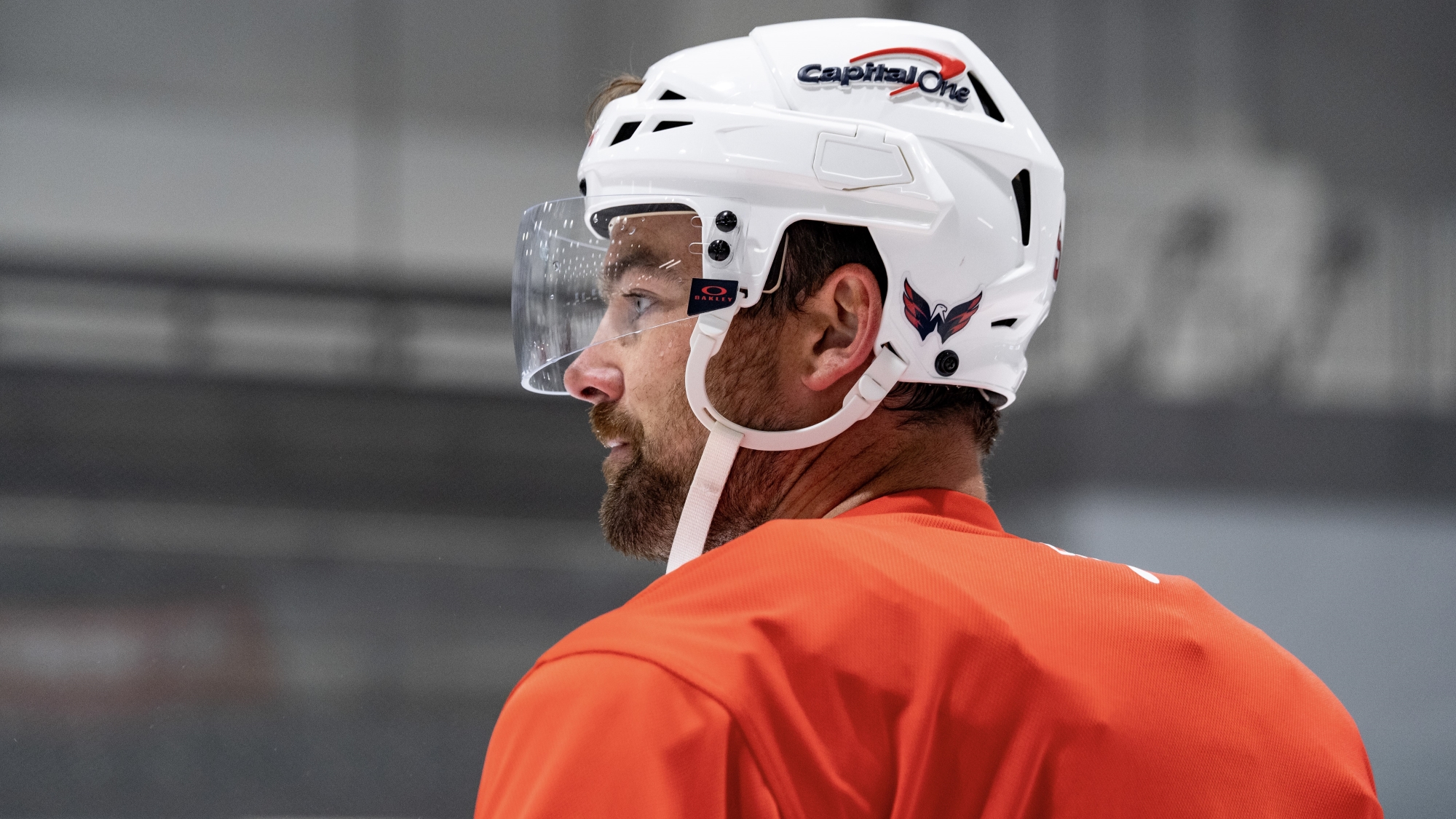
Dylan McIlrath | Washington Capitals
Entering Year 14: RINK's Biggest Selling Point
With the R1 program having now concluded its offseason work, it will be set for its 14th year of operation next summer. The opportunity to skate, learn, watch, listen and workout in the very same gym, classrooms and ice surfaces alongside some of the very best players in the game is most definitely one of the RINK's biggest selling points.
"On the summer offseason and off-ice training side of things, it's an opportunity to fill buckets that haven't been touched or filled all season," Asmundson added. "Depending what level you're at, it's going to be done better or worse, but here we will do a full diagnosis and with our profiling system we will be able to point out weaknesses and work on them at your current point in your development journey. Those initial weeks during the off-ice side of things, people see a ton of return on their investment."
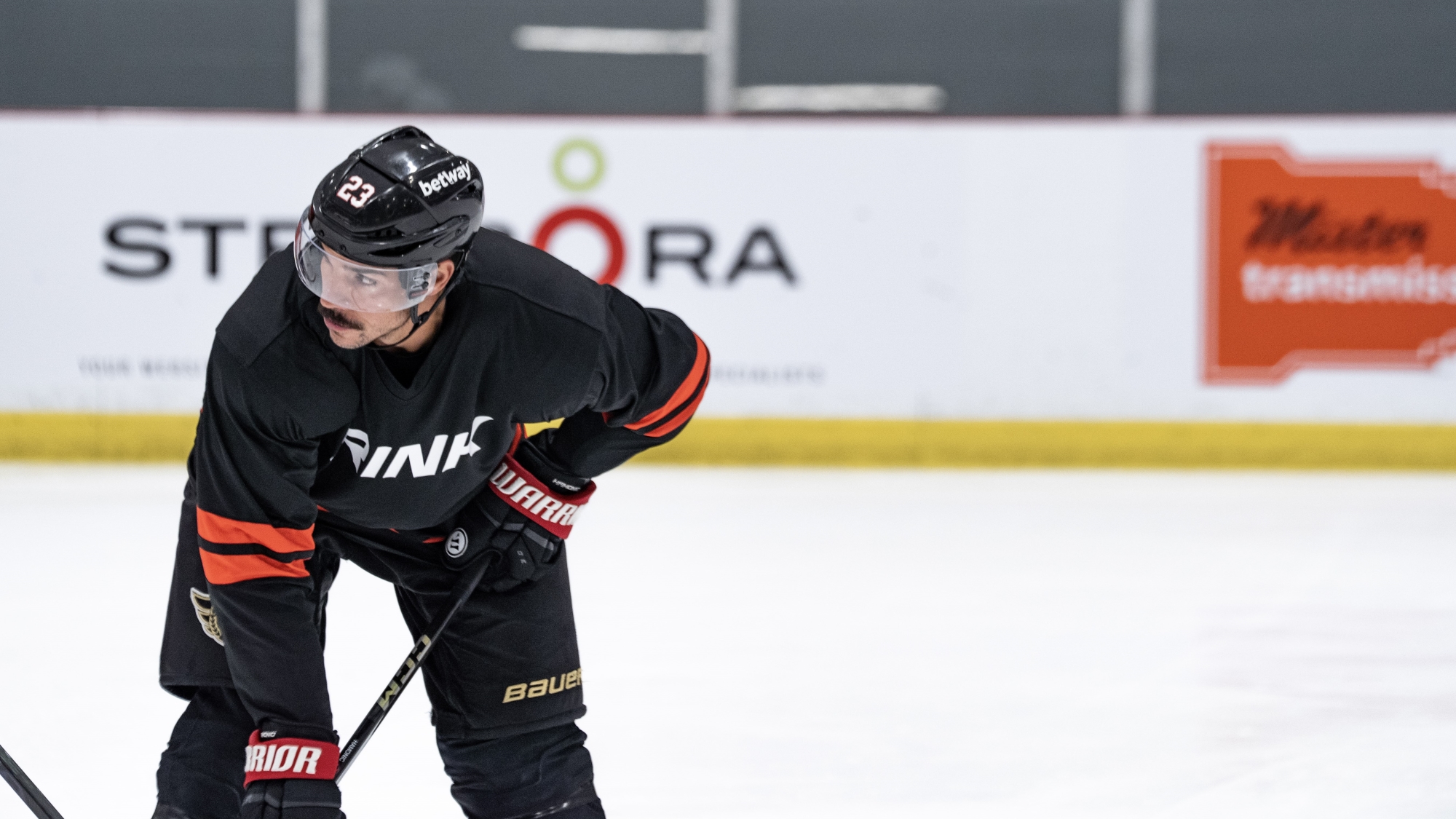
Travis Hamonic | Detroit Red Wings